When I was growing up, Serie A was all about the biggest names, the biggest price tags and the biggest reputations. Now, that mantle has passed to the Premier League and as a cynical 30-something year old, I’m bored of all that. What gets me interested in football now is seeing academy graduates make it through. Watching them tentatively replace a bigger name in the 80th minute and then remembering that moment 4 years later when Liverpool pay €80m for him to sit on their bench.
So I’ve done a deep dive, with the help of some Googling and some podcast listening – and here’s who to look out for this season breaking through into Serie A, and some Serie A players who broke through last season who I expect to make an impact this time around…
Francesco Camarda (CF, Lecce on loan from AC Milan)

- Age: 17
- Nationality: Italian
- Height: 1.89m
Profile: A prodigious striker who became the youngest player in Serie A history when he debuted for Milan aged just 15 years and 260 days. Camarda is a generational youth prospect, having scored over 400 goals at youth level and drawing comparisons to a young Erling Haaland due to his size, finishing instinct, and movement.
Tactical Analysis: Camarda excels in the box, using intelligent movement to escape defenders and make runs across the front line. He’s composed in 1v1 situations and has an advanced sense of space. He can operate as a lone striker in a 4-3-3 or as part of a front two in a 3-5-2, where his ability to combine and occupy centre-backs becomes even more dangerous.
Outlook 2025/26: Loaned to Lecce to gain first-team experience. Expect him to be eased in gradually but could finish the season as a starter. Key focus will be on how he adapts to the physicality of senior defenders.
Francesco Pio Esposito (CF, Inter)

- Age: 19
- Nationality: Italian
- Height: 1.88m
Profile: The younger brother of Salvatore Esposito, Francesco Pio is carving out a name for himself as one of Italy’s most promising centre-forwards. Developed in Inter’s academy, he spent last season on loan at Spezia in Serie B, showing flashes of maturity, aggression, and technical development. He has represented Italy at every youth level and was impressive in Inter’s short Club World Cup campaign this summer.
Tactical Analysis: Esposito is a physically robust striker who plays with his back to goal exceptionally well. He’s strong in the air, holds up play to bring others in, and presses defenders with real intensity — making him a natural fit for teams playing a high-energy, vertical style. Technically tidy, with solid link-up play, he thrives when partnered with a more mobile or creative second striker.
Outlook 2025/26:
Inter have opted to retain Esposito rather than loan him out again, despite interest from Serie A clubs and even Premier League teams. Signed to a new contract through 30 June 2030, he’s expected to be part of the senior squad in Chivu’s rotation system. While he may not start every match, Esposito is almost certain to feature as an impact sub or rotational starter, particularly in Coppa Italia and midweek fixtures.
Nicolò Savona (RB/FB, Juventus)

- Age: 22
- Nationality: Italian
- Height: 1.92m
Profile: A tall, elegant full-back who rose through the Juventus ranks and began earning minutes under Thiago Motta. He is known for his intelligent positioning, clean tackling, and comfort on the ball.
Tactical Analysis: Savona operates primarily as a right-back but has the tactical intelligence to play in an inverted full-back role. He contributes to build-up by stepping into midfield, offering an outlet in possession, and helping to compress space in transitions. His aerial ability also provides an asset in defending set-pieces.
Outlook 2025/26: May not be around much longer in Serie A with the Premier League circling. I would fancy him to get plenty of minutes if he stays. Unfortunately with English clubs already interested, any stay would be very brief.
Aaron Ciammaglichella (CM, Torino)
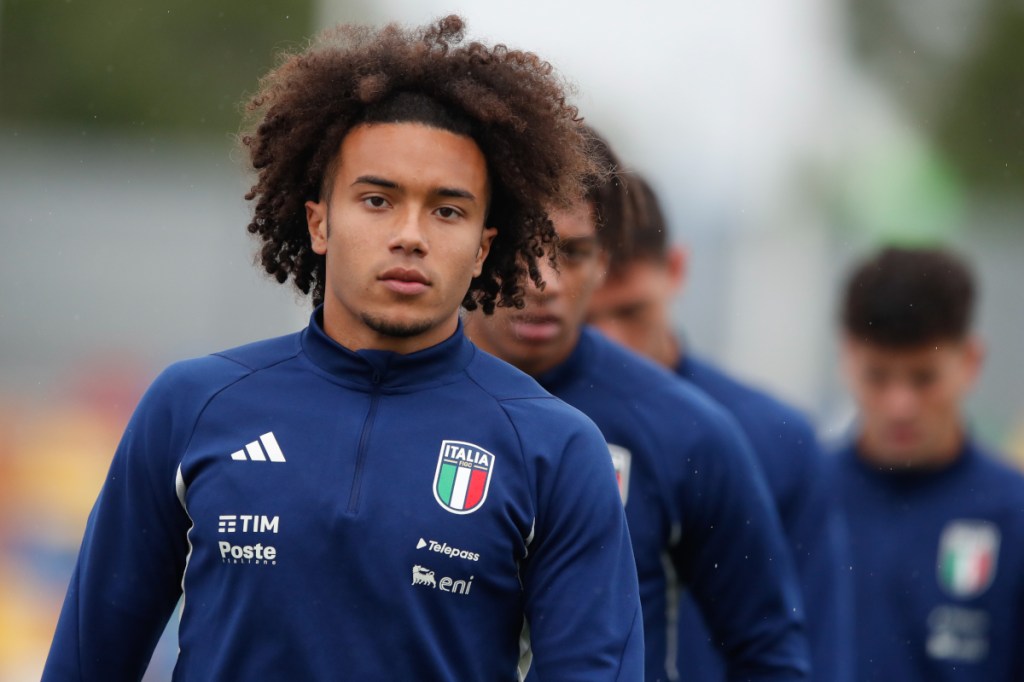
- Age: 20
- Nationality: Italian
Profile: A product of Torino’s youth academy, Ciammaglichella is a highly rated central midfielder who has been compared stylistically to Lorenzo Pellegrini. He is part of Italy’s U20 setup and has been identified as a future national team player.
Tactical Analysis: A box-to-box midfielder who thrives in high-tempo matches. He presses aggressively, tracks back reliably, and has the passing range to play progressive balls. Capable of operating in a double pivot or as the advanced midfielder in a 4-2-3-1.
Outlook 2025/26: Torino are expected to hand him more consistent minutes off the bench, with the potential to become a starter in the second half of the season depending on injuries or tactical changes.
Giovanni Leoni (CB, Parma)
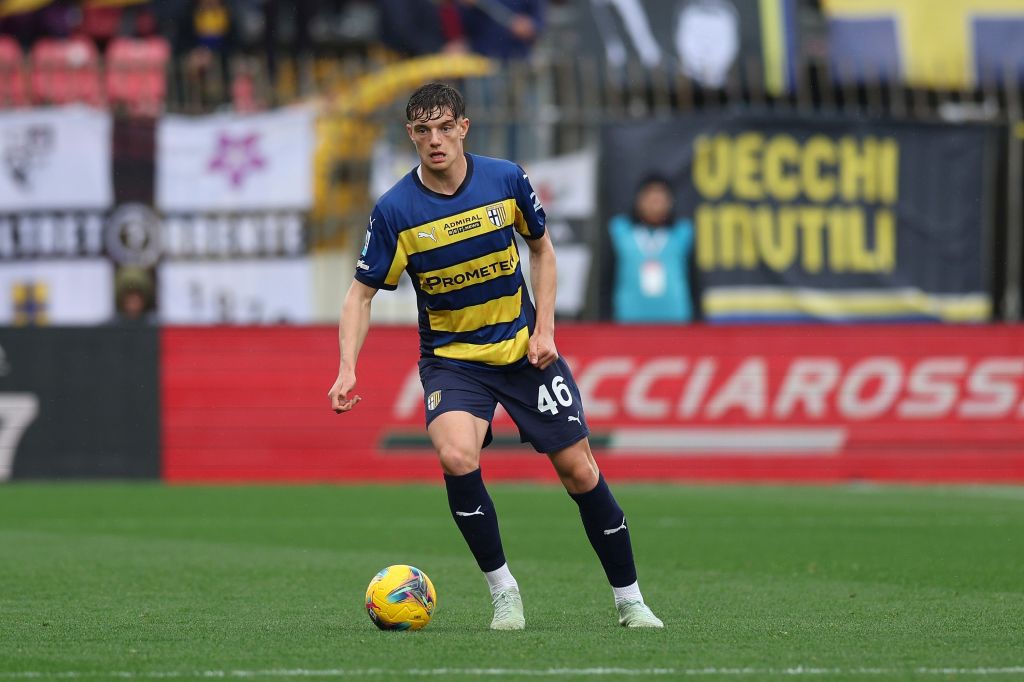
- Age: 18
- Nationality: Italian
Profile: A highly mature centre-back for his age, Leoni impressed with Parma and has seamlessly stepped up to Serie A level. Juventus and Inter have shown interest.
Tactical Analysis: Leoni is a modern centre-back: aggressive in duels, confident in possession, and adept at playing line-breaking passes. He reads danger early and positions himself smartly in a high defensive line. Particularly effective in a three-man defence where he can cover wide spaces.
Outlook 2025/26: Expected to start regularly for Parma if he’s still there come 23rd August. If Inter can offload some players it’s widely expected he’ll be playing there next season. Expect to see an Azzurri call up for friendly squads.
Simone Pafundi (AM/Winger, Udinese)

- Age: 19
- Nationality: Italian
Profile: Once dubbed the “Italian Messi” in youth circles, Pafundi has been a regular fixture in Italy’s youth teams and is slowly being integrated into Udinese’s first team. Despite his small stature, he boasts incredible flair and agility.
Tactical Analysis: Pafundi thrives in the left half-space, where he can drive at defenders and pick out passes between the lines. He’s best used as a roaming attacking midfielder or wide playmaker. Relies on quick feet, vision, and anticipation rather than physicality.
Outlook 2025/26: A make-or-break season. Needs consistent playing time and end-product to secure a long-term role in Udinese’s project or attract interest from bigger Serie A sides.
Lorenzo Venturino (RW, Genoa)

- Age: 19
- Nationality: Italian
Profile: Emerged at the back end of the 2024/25 season, scoring twice in Genoa’s final game. Fast-tracked through the academy, Venturino is one of Italy’s most explosive young wingers.
Tactical Analysis: Direct and pacey, Venturino is dangerous in 1v1s. He hugs the touchline and beats defenders with acceleration before cutting inside to shoot. Can also play off the left to utilise his stronger right foot.
Outlook 2025/26: Expected to be a regular feature off the bench, with growing responsibilities depending on his ability to deliver goals and assists in limited minutes.
Lorenzo Anghelè (CF, Juventus Next Gen)

- Age: 20
- Nationality: Italian
Profile: A sharp and mobile striker with a knack for finding space in the box. He scored regularly in Serie C and was rewarded with a senior debut last season.
Tactical Analysis: Anghelè is a classic poacher with intelligent positioning. He’s quick across short distances and capable of linking play with one-touch combinations. Best suited to a 4-3-3 or 4-4-2 alongside a physical partner.
Outlook 2025/26: Likely to split time between Juventus Next Gen and sporadic first-team appearances. Could push for more minutes if injuries or squad rotation open a window, especially if they can’t get Kolo Muani over the line
As Serie A enters the 2025/26 season, the spotlight won’t just be on the usual title contenders or big-name signings — it will shine just as brightly on the emerging talents poised to shape the league’s future. From Camarda’s goal-scoring instincts to Leoni’s composure at the back, this new wave of Italian prospects reflects a league rediscovering its identity through youth development. Keep a close eye on these players — they might not just break through, but break out in a big way. The future of Calcio is already here — and it’s looking brighter than ever.



 The Calcio Blog